

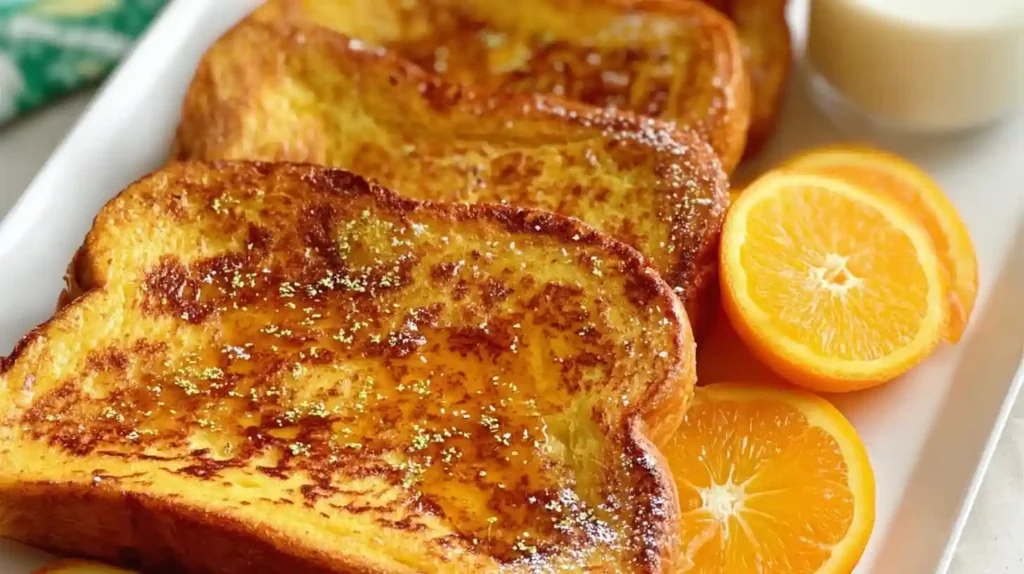
Citrus has a remarkable ability to cut through richness, transforming heavy dishes into something vibrant and awake. This recipe for the Best Orange French Toast does exactly that, taking the classic custard-soaked bread and infusing it with the bright, floral notes of fresh oranges. It is a simple modification that completely changes the profile of the meal, making it feel lighter and more sophisticated than the traditional cinnamon-heavy version. The result is a breakfast that smells like sunshine and tastes like a special occasion.
Often, French toast can become cloyingly sweet or monotonously rich. By incorporating orange juice and zest directly into the batter, we introduce a subtle acidity that balances the sugar and egg. This makes it one of the most refreshing orange breakfast recipes you can add to your rotation. Whether you are looking for breakfast special ideas for a holiday or just want to use up some brioche before it goes stale, this dish delivers maximum flavor with minimal effort.
Choosing the Right Bread
The foundation of any great French toast is the bread itself. For this citrus-forward version, you want a loaf that is slightly sweet and very absorbent. Brioche is the gold standard here because its buttery crumb pairs exceptionally well with orange flavors. Challah is another excellent option, offering a similar egg-rich texture that soaks up the custard without disintegrating.
Avoid thin, crusty baguettes or savory sourdoughs, as their textures and flavors can clash with the delicate orange notes. Ideally, slice your bread into thick, one-inch slabs. If the bread is fresh, let the slices sit out on a wire rack for an hour to dry slightly. This simple step ensures the bread acts like a sponge for the orange custard rather than turning into a soggy mess in the pan.
The Zest is Key
While orange juice provides sweetness and liquid, the real flavor punch comes from the zest. The oils in the orange peel contain the concentrated essence of the fruit without the acidity or water content. Use a microplane to grate the zest directly into your egg mixture. Be careful to only remove the bright orange outer layer, avoiding the bitter white pith underneath.
Rubbing the zest into the sugar before whisking in the eggs is a pro tip that releases even more essential oils. This technique, often used in baking, infuses the sugar crystals with citrus flavor, ensuring that every bite of your orange brunch food is aromatic. Do not skip the zest; it is the difference between French toast that is merely sweet and one that is distinctly orange.

The Custard Ratio
Creating the perfect dipping liquid requires a balance of fat and flavor. For this recipe, we substitute a portion of the milk or cream usually found in French toast with fresh orange juice. A ratio of roughly 1 part orange juice to 3 parts dairy (milk or cream) works well to maintain creaminess while delivering flavor. If you use too much juice, the custard becomes too thin and acidic, which can cause the milk proteins to curdle.
Adding a splash of vanilla extract and a pinch of salt rounds out the flavor profile. The salt is crucial as it heightens the perception of sweetness and citrus. Whisk everything vigorously until the eggs are completely broken down. Streaks of egg white on your finished toast are unappealing, so ensure the mixture is homogenous before you start dipping.
Cooking Technique for Perfect texture
Heat management is vital. Cook your orange French toast over medium heat. If the pan is too hot, the sugar in the orange juice will caramelize and burn before the inside of the bread is cooked through. You want a steady, gentle sizzle that allows the custard in the center to set into a creamy, pudding-like consistency while the outside becomes golden brown.
Using a mix of butter and neutral oil in the skillet helps prevent burning. Butter provides flavor, while oil raises the smoke point. Cook each slice for about 3 to 4 minutes per side. If you are making a large batch for a crowd, keep the finished slices warm in a 200°F oven on a wire rack. This prevents them from getting soggy while you finish cooking the rest.
Flavor Variations
This recipe is highly adaptable. For a warm spice profile, add a pinch of cardamom or cinnamon to the batter. These spices complement orange beautifully. If you want a textural contrast, dip the soaked bread into sliced almonds before frying for a crunchy exterior.
You can also transform this into an orange French toast casserole or bake. Simply cube the bread, toss it with the custard in a baking dish, and bake until set. This is ideal for recipes that use orange juice when feeding a large group, as it eliminates the need for standing over the stove flipping slices.
Serving Suggestions
Garnishing is where you can really emphasize the citrus theme. A dusting of powdered sugar is classic, but try serving this with an orange-infused syrup. Simmer maple syrup with a strip of orange peel for five minutes to infuse the flavor. Fresh berries, particularly blueberries or strawberries, add a pop of color and tartness that cuts through the richness.
For a decadent touch, a dollop of whipped cream or Greek yogurt provides a creamy element. If serving this as part of a best brunch spread, pair it with savory sides like salty bacon or sausage to balance the sweetness of the main dish.
Troubleshooting Common Issues
Soggy center? This usually means the bread was soaked too long or the pan was too hot. Give the bread a quick dip—don’t let it swim—and cook on medium-low heat to allow heat penetration.
Burnt spots? The natural sugars in orange juice burn faster than regular milk custard. Wipe the pan clean between batches and add fresh butter to prevent burnt residue from sticking to the next slice.
FAQ
Can I use bottled orange juice?
Freshly squeezed is best for flavor, but high-quality bottled juice works fine. Avoid juices with added pulp, as they can ruin the custard texture.
Can I make this dairy-free?
Yes, substitute the milk with almond milk, oat milk, or coconut milk. The orange flavor masks any nuttiness from the alternative milk.
How long should I soak the bread?
For thick brioche, soak for about 10-15 seconds per side. Thinner bread needs only a quick 2-3 second dip.
Can I freeze leftovers?
Yes, cook the French toast completely, let it cool, and freeze with parchment paper between slices. Reheat in a toaster or oven.
What other citrus fruits work?
Tangerines, clementines, or even blood oranges make excellent variations of this recipe.
Is grand marnier optional?
If you want an adult version, adding a tablespoon of orange liqueur like Grand Marnier to the batter adds a lovely depth, but it is completely optional.
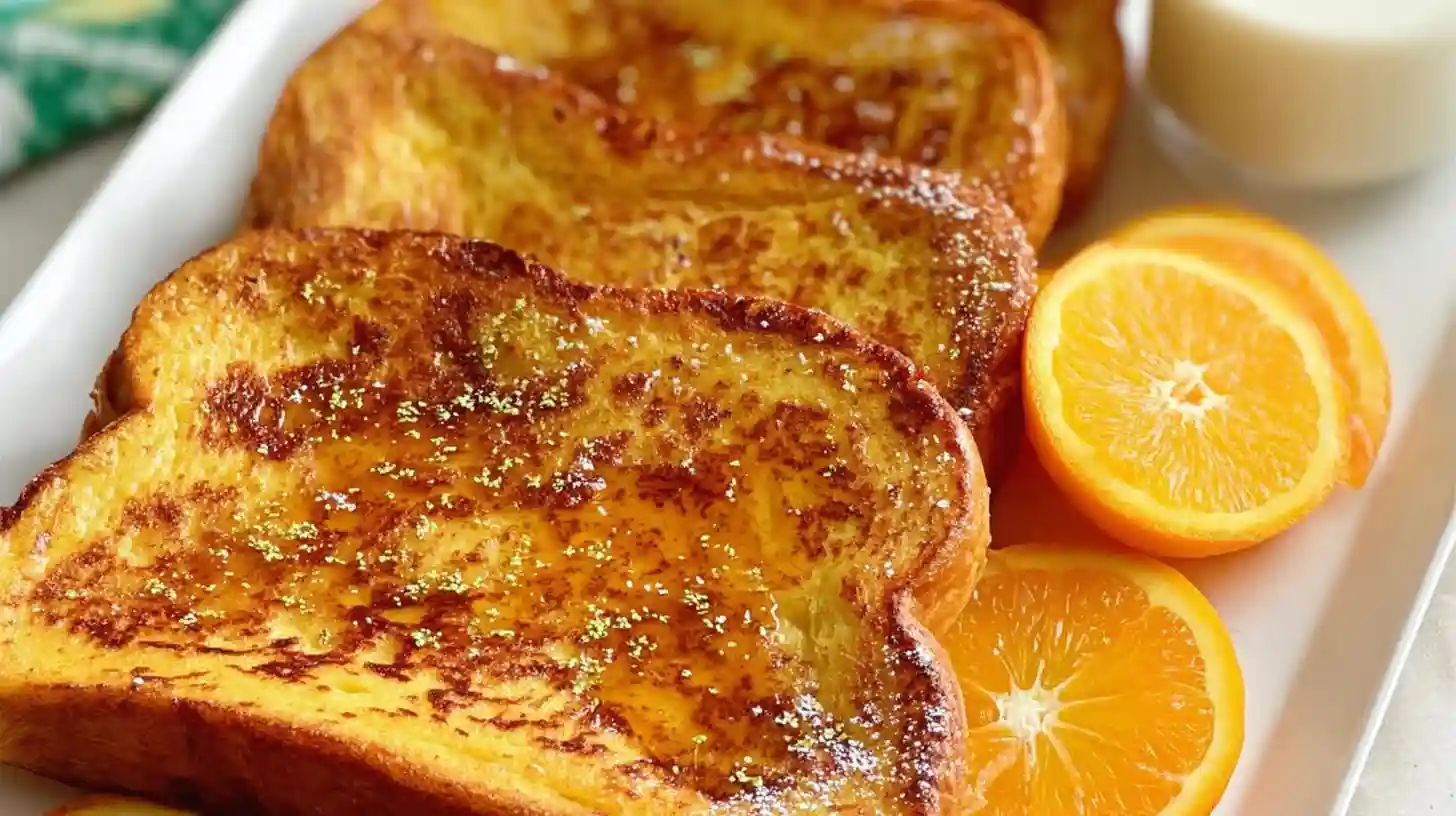
Best Orange French Toast
Ingredients
Equipment
Method
- Whisk the eggs, milk, orange juice, sugar, orange zest, vanilla, and salt in a shallow dish until fully combined and smooth.
- Heat a large skillet or griddle over medium heat. Add a knob of butter and let it melt and bubble slightly.
- Dip each slice of bread into the custard mixture. Let it soak for 10-15 seconds per side, ensuring it absorbs the liquid but doesn’t fall apart.
- Place the soaked slices onto the hot skillet. Do not crowd the pan; cook in batches if necessary.
- Cook for 3 to 4 minutes per side until deep golden brown and crispy on the edges.
- Serve immediately, dusted with powdered sugar and drizzled with warm maple syrup.
Notes
- Rub the orange zest into the sugar before mixing for intense flavor.
- Keep cooked slices warm in a low oven while finishing the batch.