
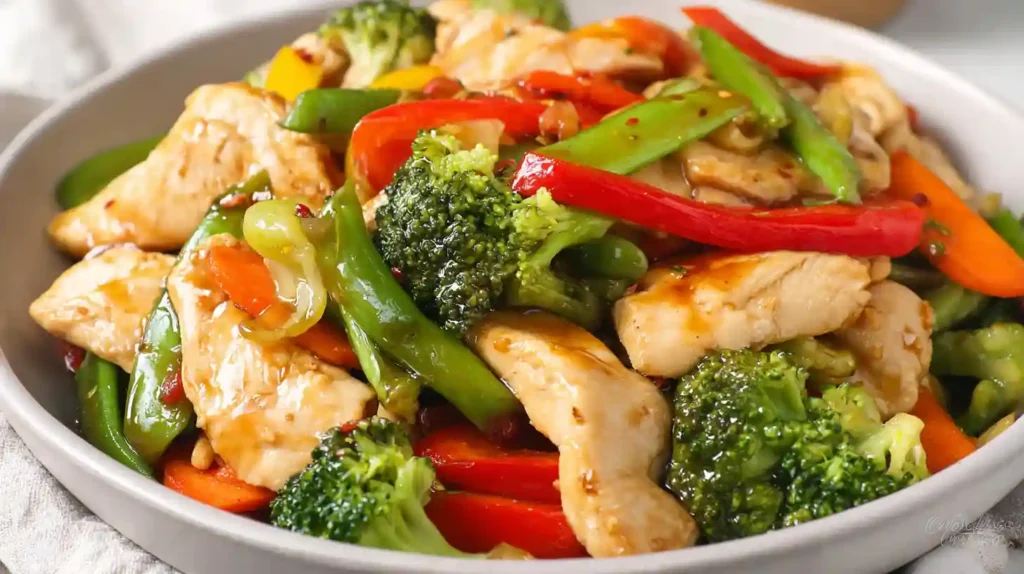
There is something incredibly satisfying about the sound of a hot pan sizzling as fresh ingredients hit the oil. It signals that dinner is only minutes away. This Chicken with Mixed Vegetable Stir Fry has become my reliable solution for those evenings when I want something wholesome without spending hours standing over the stove. It strikes that difficult balance between being nutritious and actually tasting like something you would order from a restaurant.
Many home cooks struggle to get that signature texture where the meat stays juicy and the vegetables retain their crunch. Often, homemade versions end up steaming in their own juices, resulting in a soggy plate of food. The secret lies in heat management and preparation. Once you master a few simple techniques, you will find that making Chinese chicken stir fry recipes at home is often faster than waiting for delivery. This dish is versatile, allowing you to use whatever produce is lingering in your crisper drawer, making it a budget-friendly option for any day of the week.
Why Ingredient Prep Is Crucial
Stir-frying happens fast. Once you turn on the heat, you won’t have time to chop carrots or measure soy sauce. This cooking method demands that everything be ready to go before the flame touches the wok. This concept, known as mise en place, is the difference between a stressful cooking experience and a smooth one.
For this easy chicken stir-fry recipe, uniformity is key. You want to slice your chicken thinly and against the grain. This shortens the muscle fibers, ensuring the meat is tender rather than chewy. Similarly, try to cut your vegetables into similar sizes. If you have large chunks of broccoli mixed with tiny slivers of pepper, the pepper will turn to mush before the broccoli is cooked through. Taking five extra minutes to chop carefully will dramatically improve the final texture of your dish.
Velveting the Chicken for Tenderness
Have you ever wondered why restaurant chicken is so silky and tender? The technique is called velveting. It involves marinating the meat in a mixture of cornstarch, oil, and sometimes egg white or baking soda before cooking. This creates a protective barrier around the meat.
For our Chicken with Mixed Vegetable Stir Fry, we keep it simple. We coat the sliced chicken in a splash of soy sauce, a little cooking wine, and cornstarch. As the chicken cooks, the cornstarch gelatinizes, sealing in the juices and protecting the meat from the harsh heat of the pan. This step is non-negotiable if you want that professional quality texture. It transforms lean breast meat, which can easily dry out, into succulent bites that absorb the sauce beautifully.
Building the Perfect Stir-Fry Sauce
The sauce is the unifying element of the dish. It needs to be savory, slightly sweet, and thick enough to cling to the ingredients without being gloppy. A great sauce usually combines salty elements like soy sauce or oyster sauce with aromatics like garlic and ginger.
I prefer to mix the sauce in a jar or small bowl while I am chopping the vegetables. This allows the flavors to meld slightly. Using chicken broth as a base keeps the sauce light, while oyster sauce adds that deep umami richness that is characteristic of good takeout. If you are looking for quick weeknight dinner ideas, you can even make a double batch of this sauce and keep it in the fridge for up to a week. Having the sauce ready makes the actual cooking process take less than ten minutes.
Vegetable Selection and Timing
While the recipe calls for specific vegetables, the beauty of a healthy vegetable stir-fry is its flexibility. However, the order in which you add them to the pan matters immensely. Hard vegetables like carrots, broccoli stems, and cauliflower take longer to cook and should hit the pan first. softer vegetables like bell peppers, zucchini, or snap peas require less time and should be added later.
If you are using leafy greens like bok choy or spinach, add them at the very end, just before tossing everything with the sauce. They only need seconds to wilt. Overcooking vegetables is the most common mistake in home stir-fries. You want them to be crisp-tender, meaning they are cooked through but still have a satisfying snap when you bite into them. This texture contrast against the soft chicken is what makes the dish interesting to eat.
Step-by-Step Cooking Instructions
Here is how to bring it all together. First, ensure your pan or wok is very hot. You want to see wisps of smoke rising from the oil. Add your marinated chicken in a single layer. Do not crowd the pan. If you add too much at once, the temperature of the pan drops and the chicken boils instead of sears. You might need to cook the chicken in two batches depending on the size of your skillet.
Once the chicken is golden and cooked through, remove it from the pan. Add a little more oil if needed, then toss in your hard vegetables. Stir them constantly. If they are browning too fast but are still raw inside, add a tablespoon of water and cover the pan for thirty seconds to steam them quickly. Then, add the softer vegetables and your aromatics (garlic and ginger).
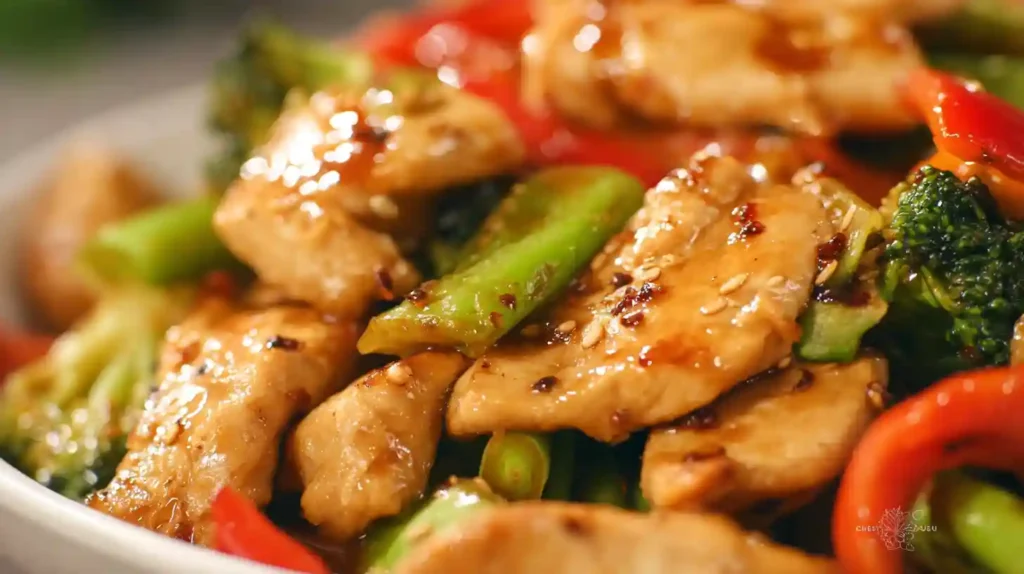
Finally, return the chicken to the pan and pour over your sauce mixture. This is the magical moment. The cornstarch in the sauce will activate as soon as it hits the heat, thickening the liquid into a glossy glaze that coats every piece of chicken and vegetable. Give it a few tosses to ensure even coverage, and take it off the heat immediately.
Variations and Substitutions
This recipe is a canvas for your preferences. If you want to make chicken stir fry with peppers specifically, just increase the amount of red and green bell peppers and skip the broccoli. For a spicy kick, add a teaspoon of chili paste or dried chili flakes to the oil before adding the vegetables.
For those avoiding gluten, swap the soy sauce for tamari or coconut aminos. The taste profile remains very similar. If you don’t have chicken, this method works excellently with sliced pork loin, beef steak, or even firm tofu for a vegetarian option. You can also bulk up the meal by serving it as fried chicken with rice, using the sauce to flavor the grains.
Storage and Reheating Tips
Leftovers of Chicken with Mixed Vegetable Stir Fry store surprisingly well. Keep them in an airtight container in the refrigerator for up to three days. The vegetables may lose a little of their crunch, but the flavors will continue to develop.
When reheating, avoid the microwave if possible, as it tends to make the chicken rubbery. Instead, reheat the stir-fry in a skillet over medium heat. You may need to add a splash of water or chicken broth to loosen the sauce, as the starches will have gelled in the fridge. Stir gently until heated through.
FAQ
Can I use frozen vegetables for this recipe?
Yes, you can use frozen vegetables. However, thaw and drain them completely before cooking to prevent excess water from watering down your sauce. Fresh vegetables will always provide a better texture.
What is the best cut of chicken to use?
Boneless, skinless chicken thighs are the most forgiving and flavorful. However, chicken breast works perfectly fine if you use the velveting technique described above to keep it moist.
How do I make the sauce thicker?
If your sauce is too thin, mix one teaspoon of cornstarch with two teaspoons of cold water and stir it into the bubbling sauce. It should thicken almost instantly.
Can I make this ahead of time?
You can prep all the ingredients ahead of time. Chop the veggies and marinate the chicken in the morning. Store the sauce in a jar. When it is time for dinner, the actual cooking will take less than 15 minutes.
Do I need a wok to make stir-fry?
No, a large cast-iron skillet or a wide stainless steel pan works well. The key is having enough surface area so the ingredients can sear rather than steam.
How to make stir-fry at home that tastes like a restaurant?
High heat, plenty of aromatics like garlic and ginger, and not overcrowding the pan are the three main factors. Also, don’t skimp on the oyster sauce; it provides that distinct savory depth.
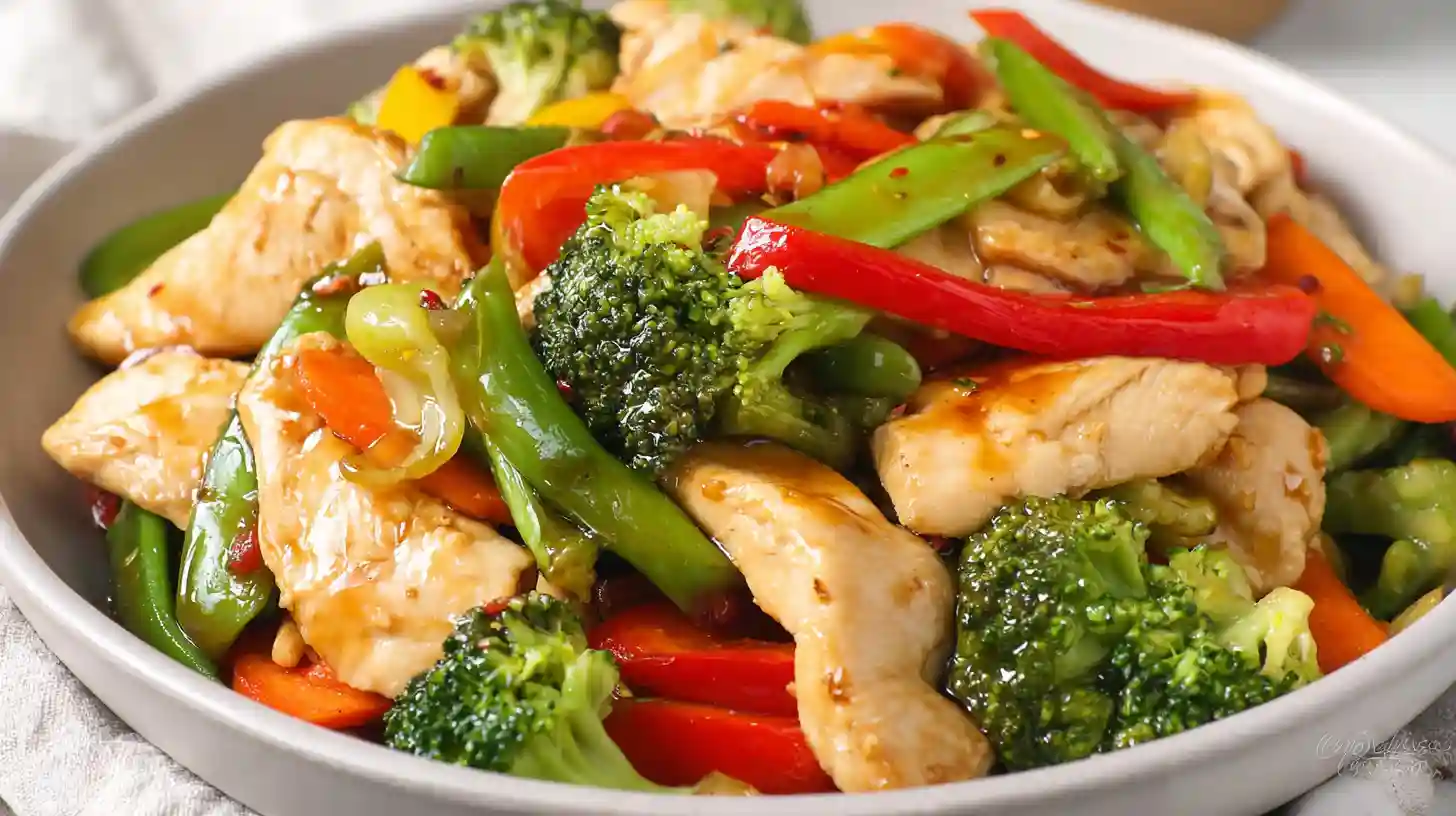

Chicken with Mixed Vegetable Stir Fry
Ingredients
Equipment
Method
- Marinate the chicken by combining the sliced meat with 1 tablespoon soy sauce and 1 tablespoon cornstarch in a bowl. Let it sit for 10 minutes while you chop vegetables.
- Whisk together the chicken broth, oyster sauce, remaining soy sauce, sesame oil, and cornstarch slurry in a small jar or bowl. Set aside.
- Heat 1 tablespoon of oil in a large skillet or wok over medium-high heat. Once hot, add the chicken in a single layer. Cook for 3-4 minutes per side until golden and cooked through. Remove chicken to a plate.
- Add the remaining tablespoon of oil to the same pan. Add carrots and broccoli. Stir-fry for 2 minutes. Add a splash of water and cover for 1 minute to steam slightly.
- Toss in the bell peppers, snap peas, ginger, and garlic. Stir-fry for another 2 minutes until vegetables are crisp-tender.
- Return the cooked chicken to the pan. Give the sauce mixture a quick whisk and pour it over the ingredients.
- Toss everything together until the sauce bubbles and thickens, coating the food evenly. This should take about 30-60 seconds. Remove from heat immediately and serve.
Notes
- Slice chicken against the grain for maximum tenderness.
- Prep all vegetables before turning on the stove.
- Serve over steamed white rice or noodles.